How to live underwater
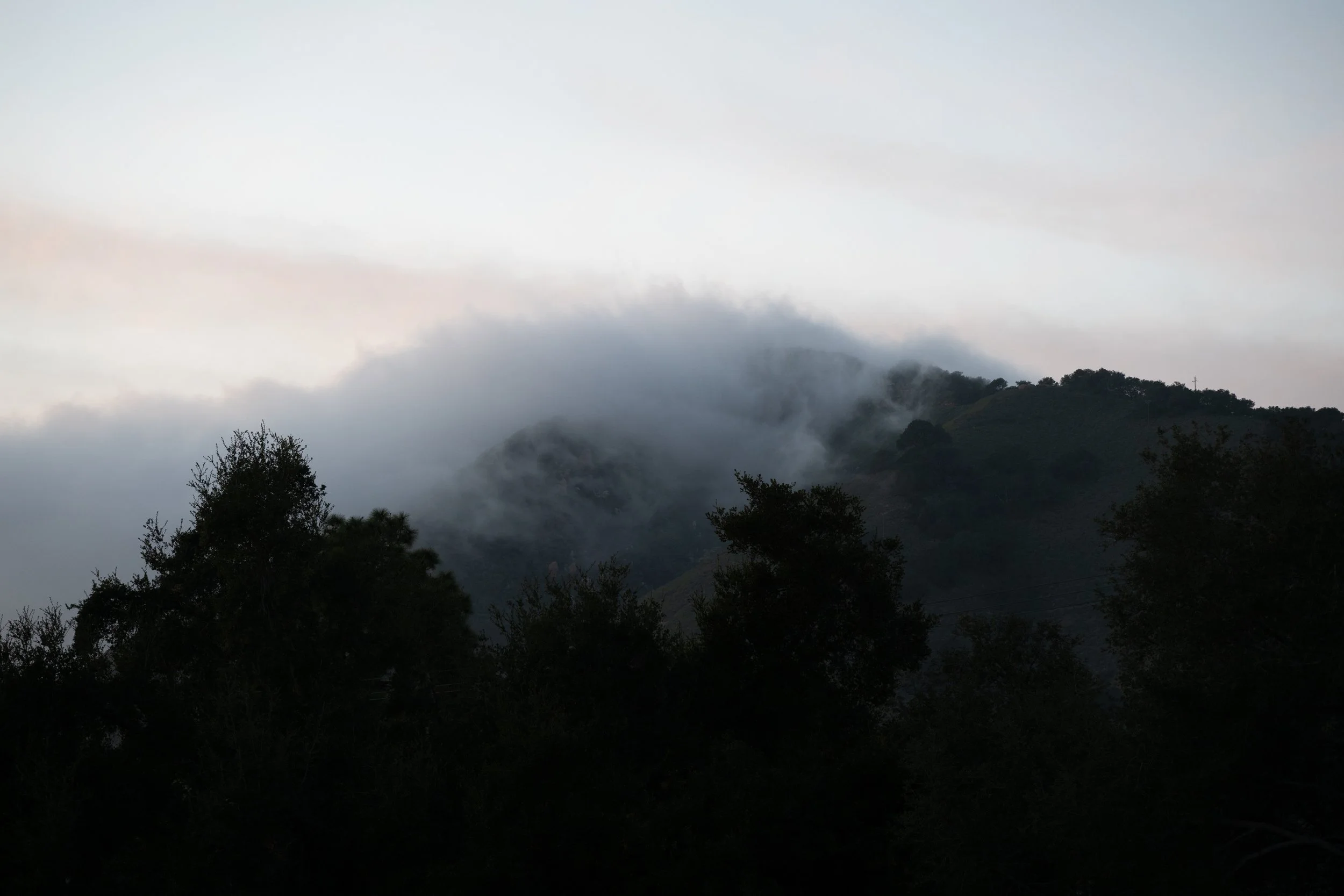
Up until recently, I would’ve described myself as an “introvert”; a type of person given to spending most of his time alone. Comfortable with silence, boredom, and preferring to feel calm over anything else. Moving to a new state, starting a new job, and building a new life would normally reinforce that need—a break from other people when my social battery has been depleted. A sense that, “yeah…I think I can hold off on hanging with anyone else for a while.”
But looking back on the last few years, I’m realizing more and more that what I thought was a preference for solitude was just living with depression. It was more feeling unmoored rather than wanting space. Less calm and more isolation. Because what I’ve been learning about my flavor of mental illness is that it likes to mask itself; much in the same way that I’ve learned to adapt and build a life that fits my own neurodivergence, my depression has adapted to make me think that I like being alone, when the opposite is actually true.
I like people. I genuinely care about my friends and family. What depression has done is hijacked my social awkwardness and convinced me that if I’m feeling uncomfortable at, say, a work function or housewarming party, it’s because I’d be better off by myself. It’s taking hold when standing not-quite-close-enough to a group conversation in a kitchen and I think, “how can I move closer to make myself visibly part of this convo that I’ve been taking part in” but not knowing quite how. So I just linger awkwardly to the side of people and kind of fire off a bon mot every now and then while the voice in my head screams, “what are you doing, dickhead? MOVE YOUR ASS!” Depression convinces me that it’s easier to just stay home and avoid the anxiety rather than work through the awkwardness.
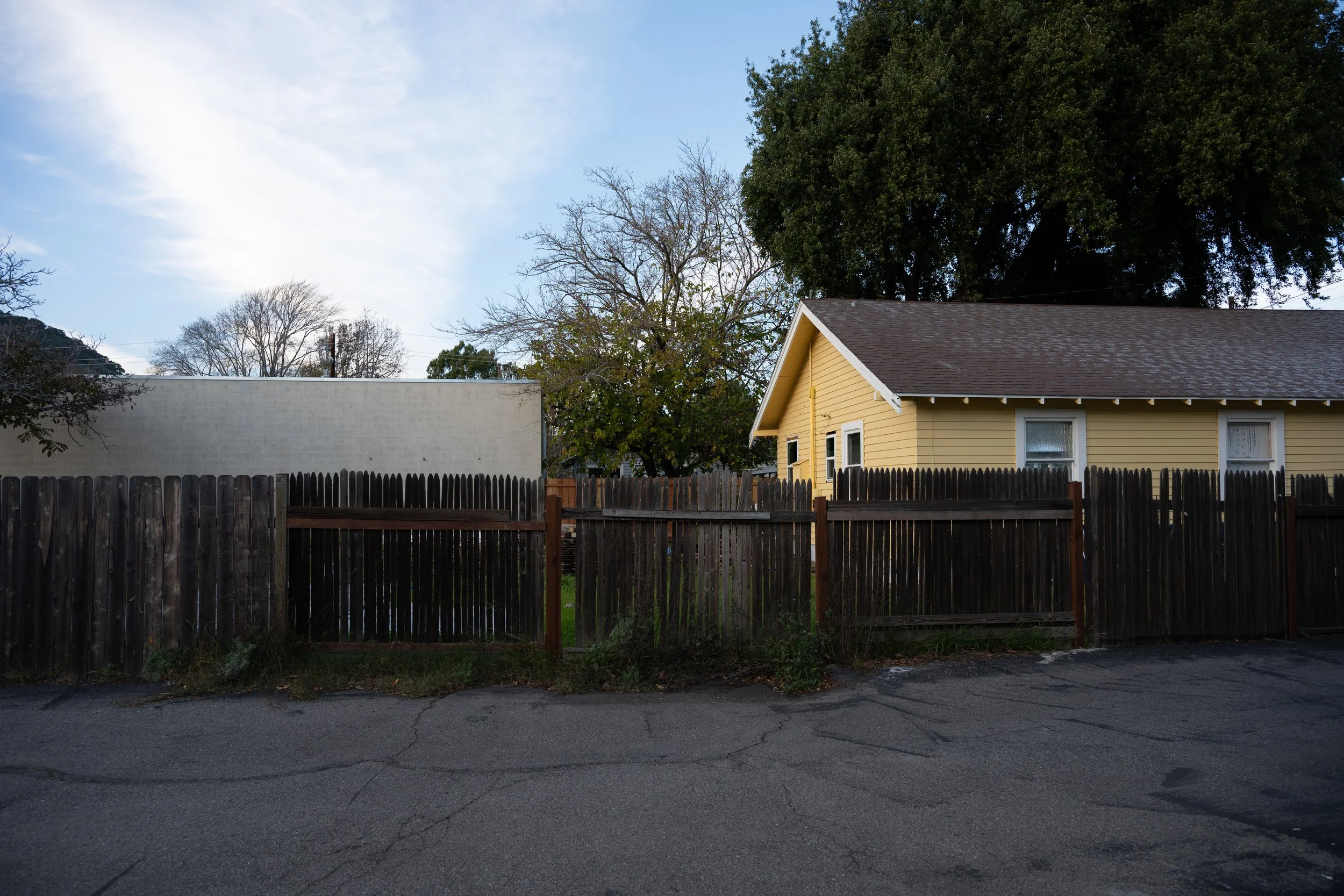
There’s something calming about diving into the water and just lingering there for a while. Things are quieter there; you can still hear the sounds of waves or movement when you’re underwater, but the sensation of everything being muffled can feel intoxicating. It’s as if the water is cradling your head and shutting off the rest of the world. Things seem slower. More serene. But humans aren’t amphibious creatures. At some point, we have to come up for air and get bombarded with the sounds of the world around us. It can be jarring to come up for air. But I’ve found that you can still find serenity on land—it just takes a bit more work
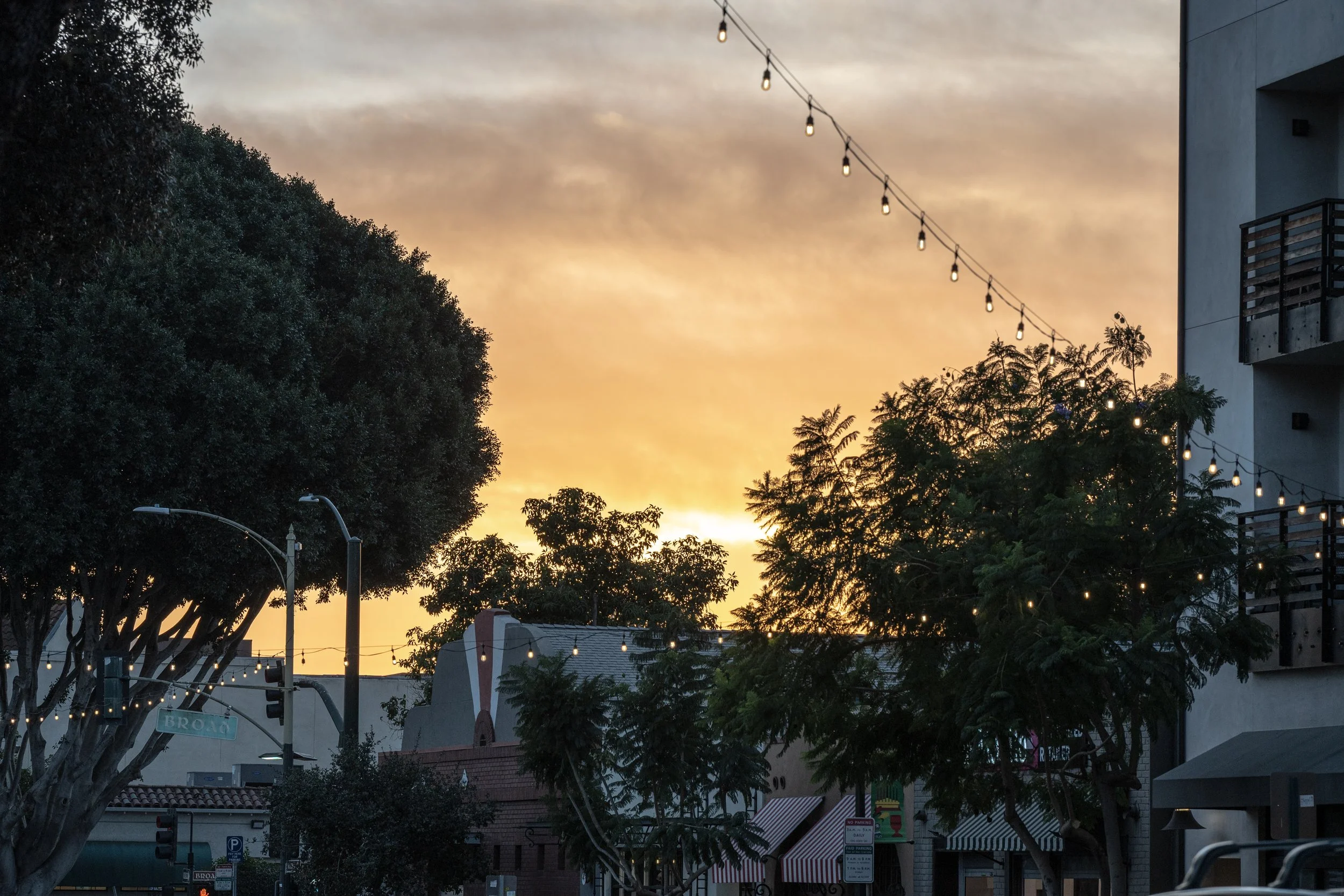
I’ve been trying to be more mindful lately in my walks with my dog, Data. I don’t always take my camera with me (mainly because lugging it around can be uncomfortable for long periods of time), but even if I’m camera-less I’ve been attempting to be more mindful of my surroundings when we’re out. I try to take in my surroundings and really look at the world. On the weekends we take longer walks that can last 3-4 hours. We trek all around San Luis Obispo and, in between Data’s sniffing and peeing, I look towards the hills or the graffiti or the architecture. But what I’ve loved the most about our walks is when we’re out during golden hour, particularly close to sunset. I’ve grown up with the wide open spaces of Texas and seeing the sun setting behind the mesquite and palm trees is something I hold near and dear to my heart…
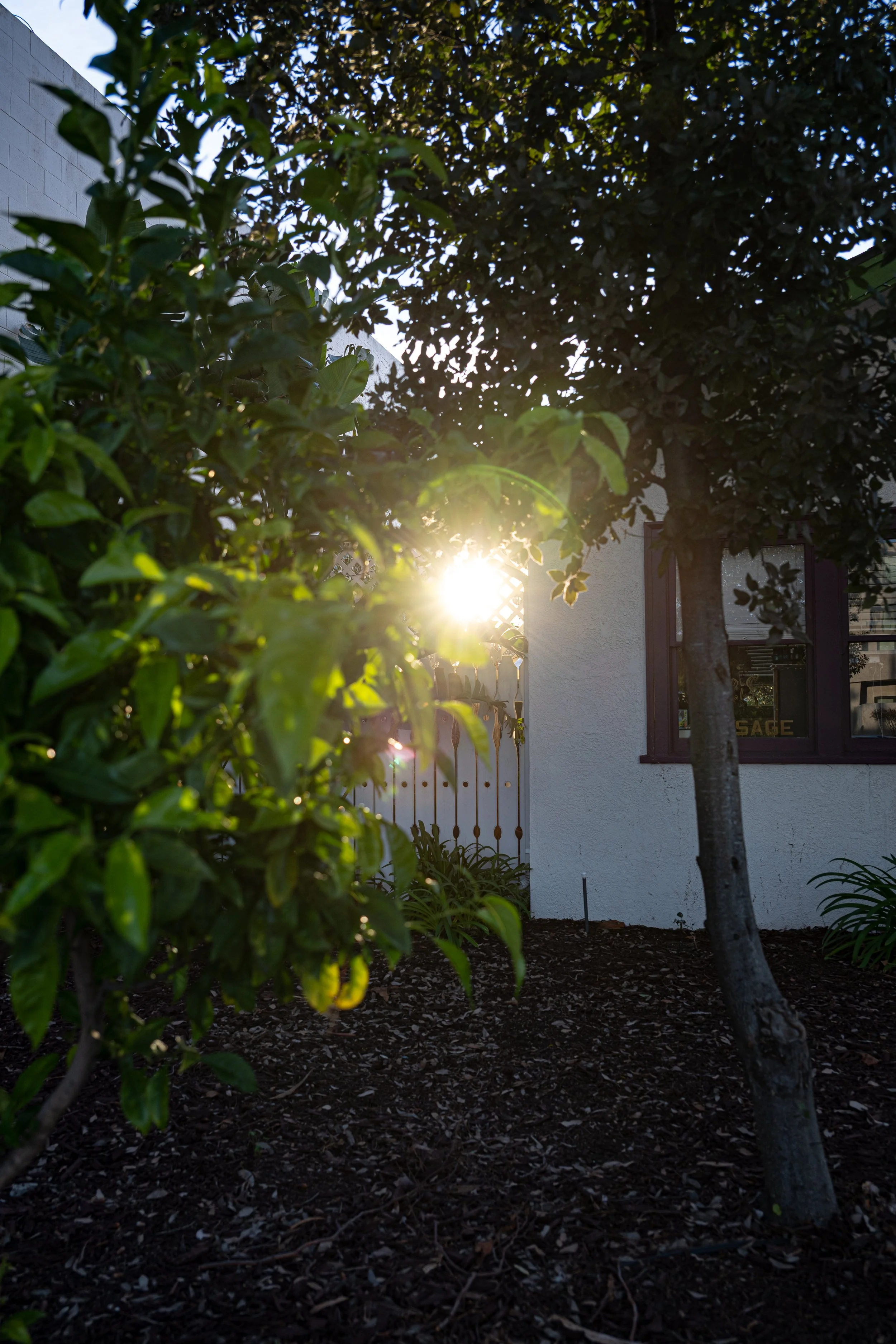
I gotta say, though: I see why it’s called “the Golden State”. And after I’ve been walking for a few miles and look up at the California sunset, I don’t feel isolated or cut off.
I breathe the air and I feel connected.